The Benefits of Visual Storytelling
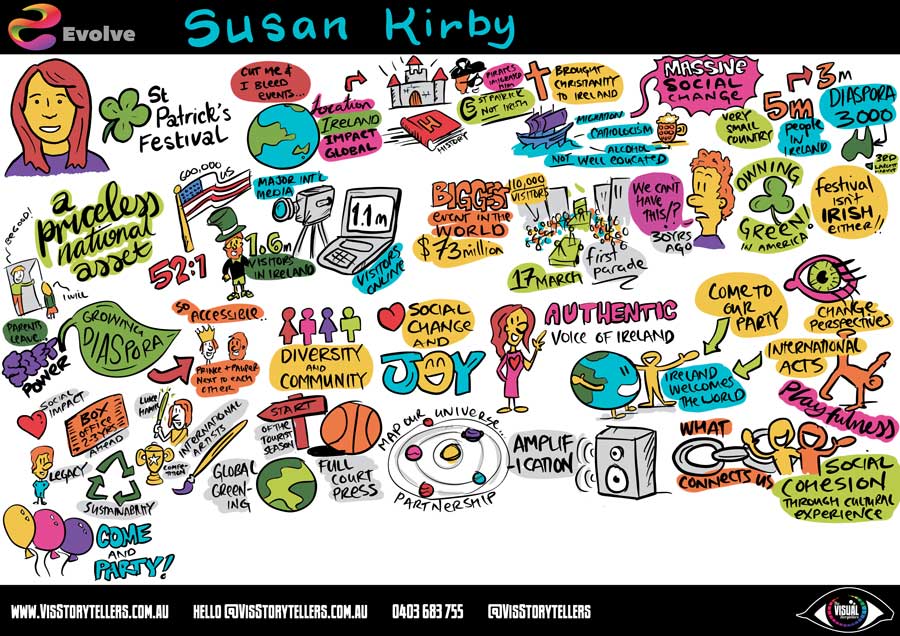
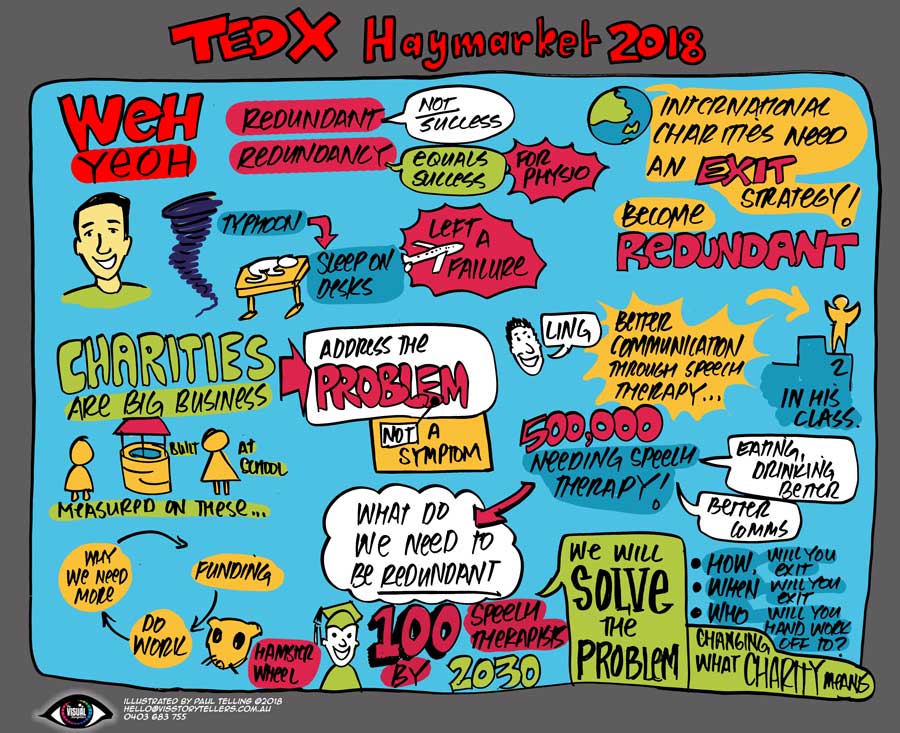
Visual storytelling offers numerous advantages that can transform the way messages are conveyed during events. By utilizing visuals, such as sketches and diagrams, presenters can engage their audience more effectively, ensuring that key messages are not only heard but also felt. This method fosters a deeper connection with the audience, enhancing their understanding and retention of the information presented.
Research shows that visuals can improve memory recall by up to 65%, making them an essential tool for any speaker or organization looking to make a lasting impact. Whether it’s simplifying complex ideas or creating emotional connections, visual storytelling turns ordinary presentations into memorable experiences that resonate long after the event concludes.
Types of Visual Storytelling Techniques
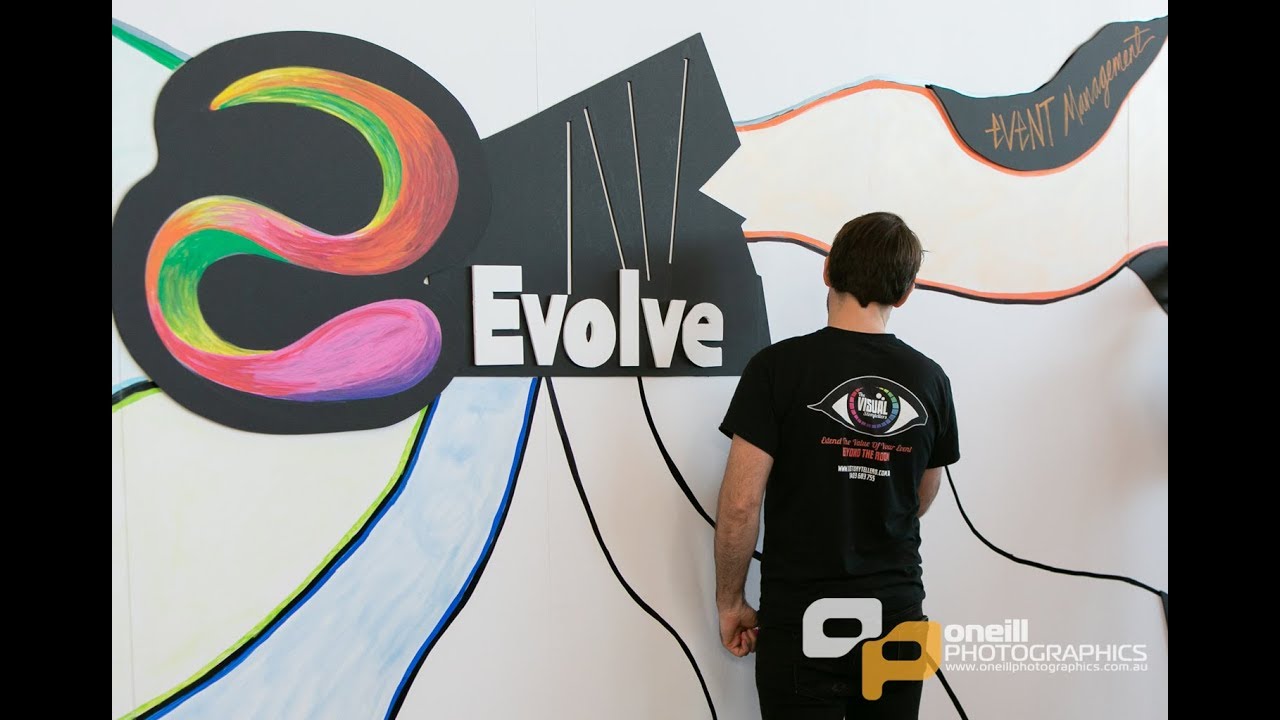
There are various techniques within visual storytelling that can be employed to captivate an audience. From live sketching during presentations to creating infographics and animated videos, each method serves a unique purpose and can be tailored to fit different contexts. These techniques not only enhance the message but also cater to diverse learning styles, ensuring that all audience members can engage with the content.
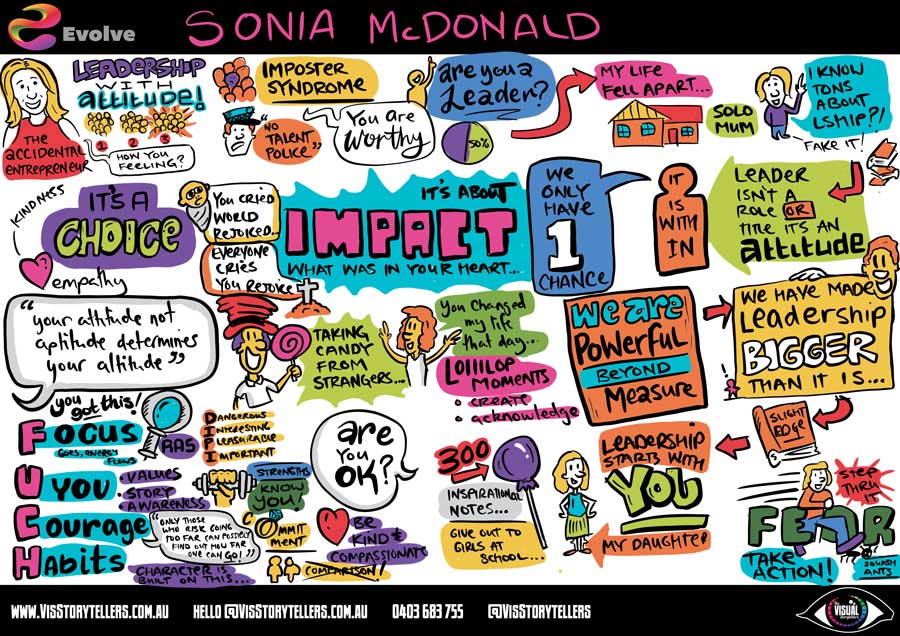
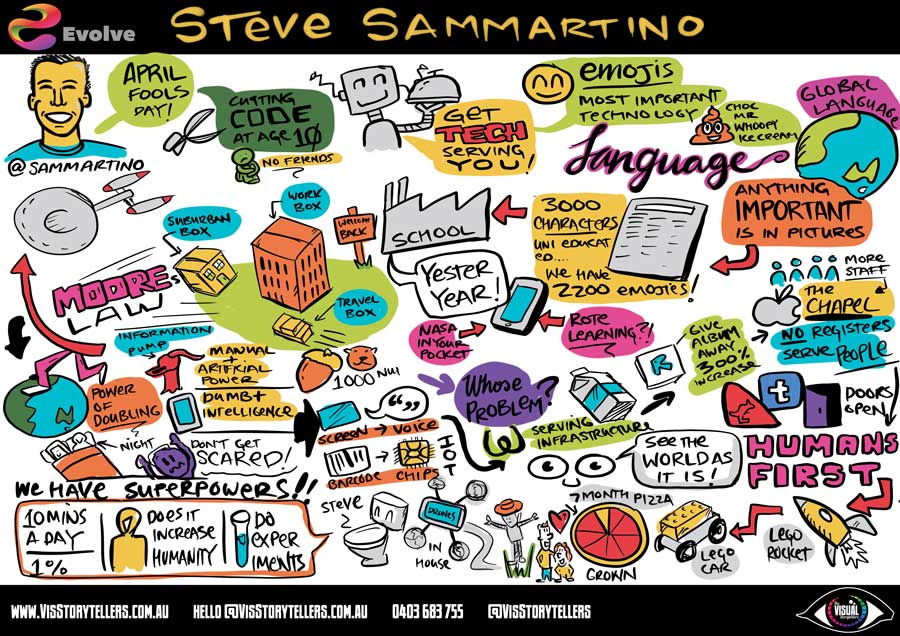
For instance, live sketching allows for real-time engagement, as audiences can see their ideas transformed into visuals instantly. On the other hand, infographics can summarize complex data into easily digestible visuals that highlight key points, making them perfect for follow-up materials after the event. By incorporating a variety of techniques, presenters can maintain audience interest and encourage active participation.
How Visual Storytelling Enhances Learning
Visual storytelling significantly enhances the learning experience by catering to multiple senses, which aids in better information retention. When visuals accompany spoken words, they create a multi-dimensional learning environment that fosters understanding and engagement. This approach not only makes the content more relatable but also encourages participants to interact with the material on a deeper level.
Studies indicate that learners retain information better when it is presented visually, as it helps in creating mental associations and reducing cognitive load. By integrating visual storytelling into educational settings, facilitators can improve knowledge retention, encourage collaboration, and stimulate critical thinking among participants, ultimately leading to a more impactful learning experience.
Client Success Stories
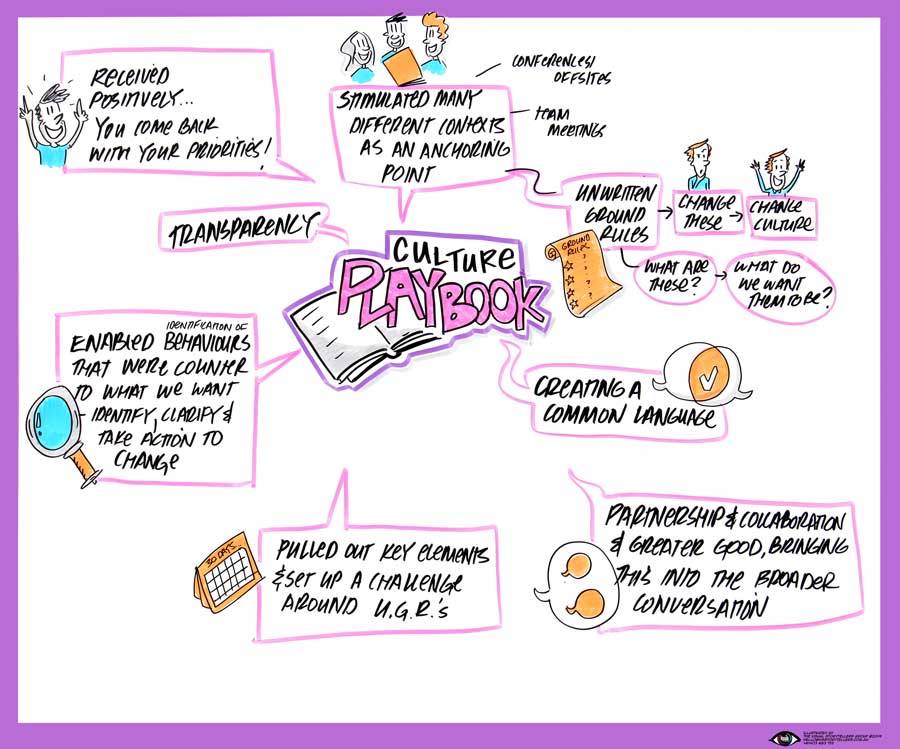
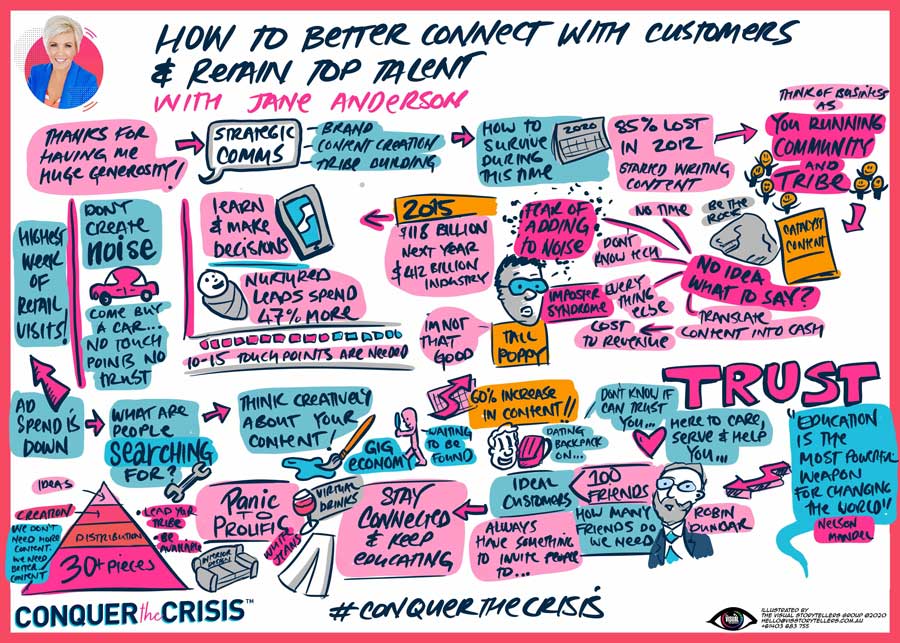
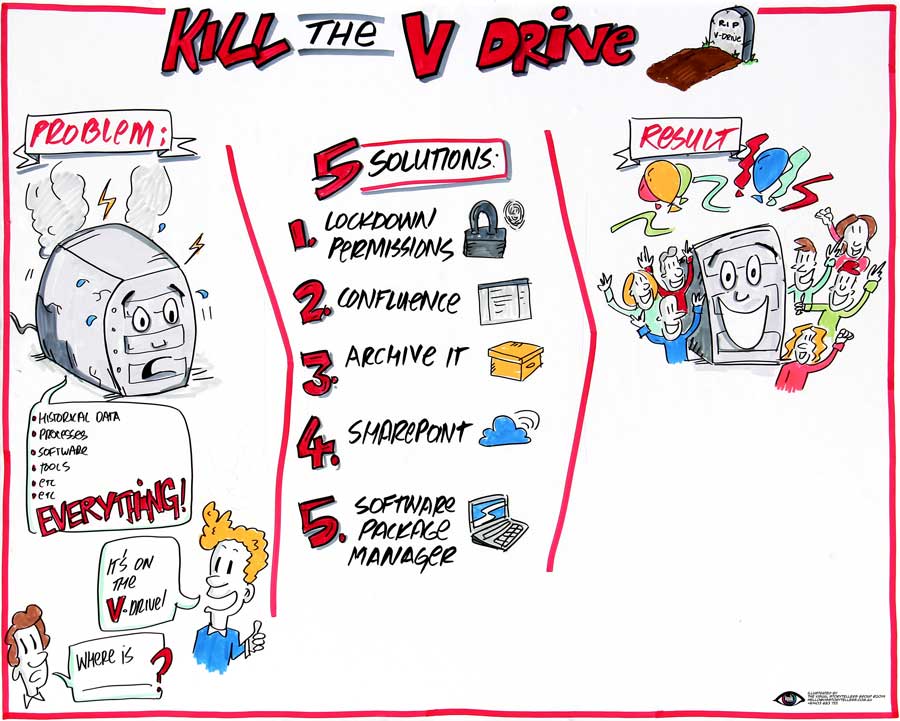
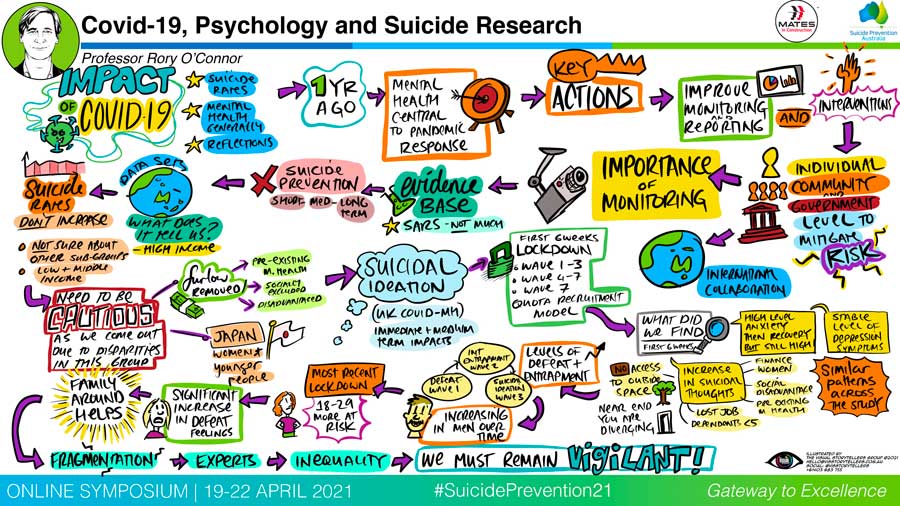
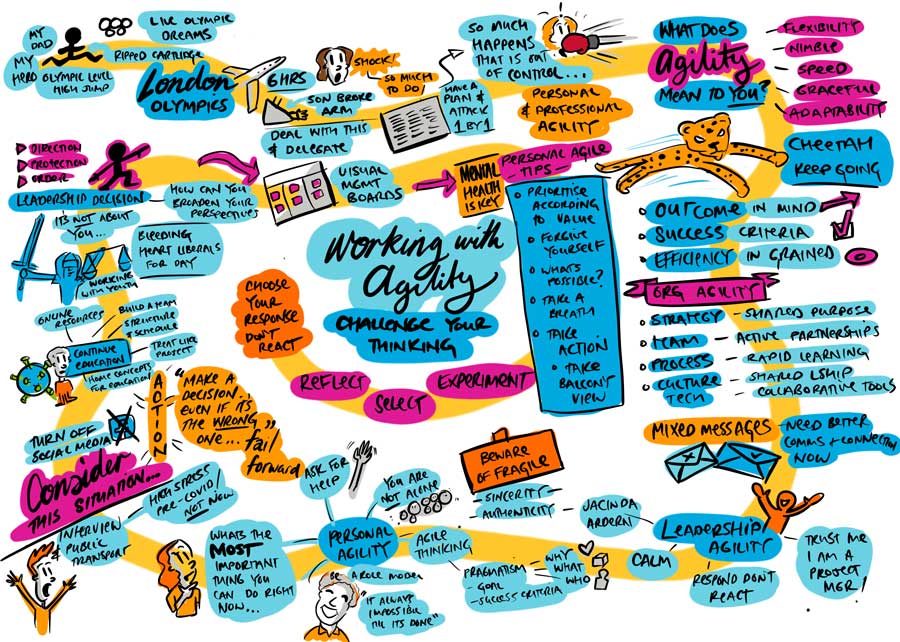
Our clients have experienced remarkable transformations through our visual storytelling services. Many have reported increased audience engagement and improved feedback during and after their events. Success stories highlight how our visual notes have not only captured essential information but also sparked conversations and collaborations among attendees, leading to lasting relationships and innovative ideas.
For example, one client noted that after utilizing our services at their annual conference, participants were not only more engaged but also actively referenced the visual notes in their follow-up discussions. This kind of feedback reinforces the value of visual storytelling, demonstrating its effectiveness in amplifying messages and creating memorable experiences that extend beyond the event itself.