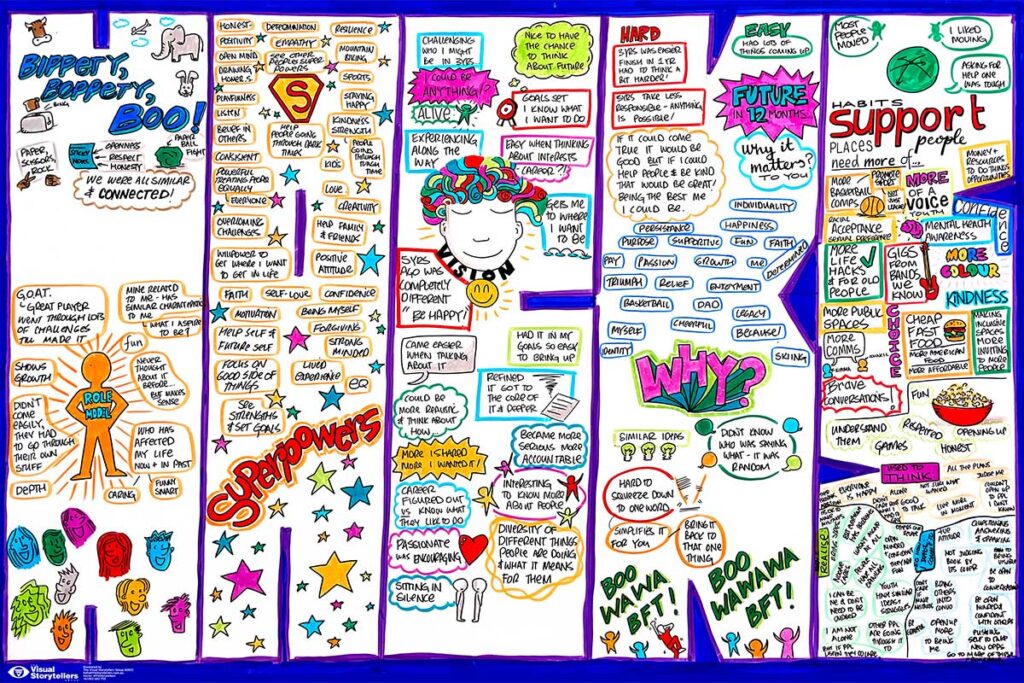
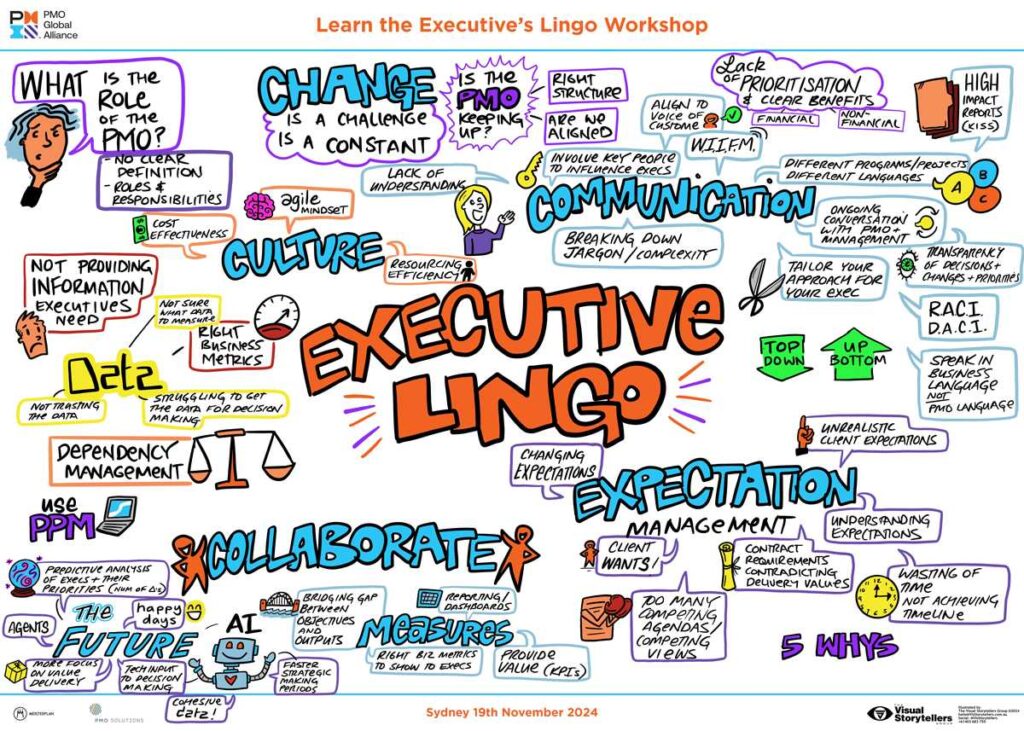
It can be difficult to compellingly communicate a problem, solution, or idea. And while many of us have become accustomed to written communication, we often find this method of communication isn’t enough to do the job.
That’s why visual storytelling and illustration will always be a part of the way we communicate with one another. For your organisation and business, that means it’s worth considering why, when, and how you can leverage illustrations for visual storytelling.
Tell More Compelling Stories Through Visuals
Human beings are inherently visual animals, which is why we often say a picture is worth a thousand words. The fact that readers and learners respond better to visuals is a long-established fact in psychology and education.
Visual storytelling is the first method of recorded communication we know of, with Australia’s oldest Aboriginal rock artdating back over 17,000 years. To this day, we’re still heavily reliant on visuals to inform and guide us in many areas of life, whether it’s charts, flat-pack instructions, maps, and even road signs. Visual narratives will always be an enduring part of how we communicate with one another.
So how can you make better use of visual storytelling? That depends entirely on your industry and target audience, but in general, it’s always worth looking to see if you can complement or replace your more complex and less obvious written messages with visual equivalents. When you find such a case, it’s time to consider how to employ an illustration to make your point.
How Illustrations Can Make Powerful Presentations
In an age of PowerPoint and projectors, presentations have exploded as a means to share information within and across teams. Whether it be a pitch, lecture, or anything in-between, presentations are now ubiquitous.
Unfortunately, many presentations fall short in effectively sharing information. Despite presentations being a visual medium, you’ve probably found yourself sitting through slides that are over-reliant on long blocks of text, which can be difficult to comprehend and remember.
That’s why visual storytelling and illustration should be considered essential to make your presentations truly effective and memorable. Illustrations can provide visual representations of stories, people, data, or theories to help express your ideas concisely and also delight, excite, and better inform your audience.
Here are a few situations in which illustrations can make a presentation truly effective through visual storytelling:
If you want to introduce your team in a presentation, you might use the tried-and-tested route of a headshot and a short biography. But if you want to effectively and quickly tell your team’s story, show off your team member’s personalities, interests, and expertise by depicting them visually. Illustrations can make a tremendous impact.
If you want to persuade an audience to consider a plan or proposal, illustrations can show off the timeline and what the execution looks like. Visual storytelling helps your audience envision what the division of labour will be, who will be involved, and what the outcomes of a plan will look like. All this helps generate enthusiasm while providing information by stirring your audience’s imaginations.
And last but not least,if you work in a larger organisation, team-building and internal communications are often a major concern. If you want to promote your company’s values, goals, and products/services, you need effective methods of conveying your vision to employees and stakeholders. Compellingly communicating the story and context of your organisation can be hard, especially when it comes to engaging and motivating your team. Through visual storytelling and illustration, however, you can intuitively connect with your team — and reach them on an emotional level — while also educating them about the organisation.
All of these are just a few cases. Illustrations and visual storytelling can help your presentations in just about every circumstance and context.
Summary
In many cases, people respond far better to illustrations than text. We’ve been communicating with pictures since the earliest days of civilisation, and visual storytelling is clearly an effective way to share information with people and help them remember it. When it comes to presentations and communicating complex concepts to colleagues, customers, or friends, almost every circumstance in which we’d typically lean on text would be improved with illustrations that tell an intuitive visual story that can help excite and inform.
So, how can you take advantage of visual storytelling illustrations to improve your communications and presentations? That’s whereThe Visual Storytellers Group can help. As an experienced group of thinkers and creatives, we help you turn your ideas and words into compelling visual stories for your team.
Discover more about our work onLinkedIn and Facebook. You can evenbook a consultation with us right now if you want to learn how we can help you tell more compelling visual stories.
When people speak about creativity, they say ‘think outside the box’. When it comes to Paul… there is no box. He is all about creativity and self-expression.
illustration narrative, visual storytelling illustration, storytelling through illustration, visual storytellers, visual storytelling meaning, visual narrative ideas, visual storytelling agency, narrative illustration, what is narrative illustration, creative visual storytelling, storytelling illustration, visual storytelling for internal communications, visual storytelling drawing, story telling illustration, create storytelling illustrations from a to z, what is visual storytelling, visual illustration, illustration story telling, illustration storytelling, illustrative narrative, illustrative storytelling, visual storytelling ideas, storytelling illustrations, illustration visual storytelling, example of visual storytelling, visual narrative, storybook illustration, visual storyteller meaning, art of visual storytelling, art visual storytelling, visual storytelling in organizations, storybook illustrations, storyteller illustration, story illustration examples, visual storytelling art, illustrate the story, narrative illustration meaning, visual storytelling presentation, story illustration ideas, what is visual illustration, narrative illustration examples, storytelling in illustration, bring your ideas to life, how to illustrate a story, illustrate a story, mystery illustration, storyset illustration, illustration of a story, what does it mean to illustrate a story, what is the pure form of storytelling in adobe illustrator, visual story telling, illustration visual, story illustration meaning, visual storytelling examples, importance of visual storytelling, story book illustrations, illustrate the story here meaning, illustrator story, drawings enhance stories in this form where illustrations and handwritten graphics are incorporated., story illustration, storytelling visual, story illustration with pictures, illustrations that tell a story, narrative illustrations, illustrate the story means, storybook illustration styles, illustrated storytelling, visual illustrations, stories illustration, news illustration, visual storytelling definition, life illustration, how illustrations contribute to a story, illustration and visual narrative, illustration communication, what is visual storytelling examples, visual illustration example, how do you illustrate a story, visual illustration meaning, visual storytelling graphic design, examples of visual storytelling, benefits of telling visual stories, techniques to create unique storytelling illustrations, a drawing used to emphasize an aspect of the text or to add reader interest
The Power of Visual Storytelling for Businesses
Visual storytelling is a potent tool for businesses seeking to connect with their audience on a deeper level. By transforming complex information into engaging narratives through illustrations, companies can simplify messages, evoke emotions, and foster stronger brand recall. This approach moves beyond mere data presentation to create memorable experiences that resonate long after the initial encounter.
The effectiveness of visual storytelling lies in its ability to bypass cognitive filters that often block traditional text-heavy communication. Whether it's explaining a new product, outlining a strategic vision, or sharing company values, illustrations provide a universal language that transcends jargon and cultural barriers, making your message accessible and impactful to a wider audience.
Enhancing Internal Communications with Visual Storytelling
For larger organizations, fostering a cohesive team and ensuring clear internal communication are paramount. Visual storytelling offers an intuitive and emotionally resonant method to convey company goals, values, and objectives to employees. By depicting these elements visually, organizations can create a shared understanding and a stronger sense of belonging.
Illustrations can effectively showcase team dynamics, individual roles, and the anticipated outcomes of projects, making abstract concepts tangible. This visual approach helps employees connect with the company's mission on a personal level, boosting engagement and alignment across departments, and ultimately contributing to a more unified and productive workforce.
Illustrations in Presentations: Beyond Text-Heavy Slides
Presentations, by nature, are a visual medium, yet many fall into the trap of overwhelming audiences with dense blocks of text. Illustrations offer a dynamic alternative, providing clear visual representations of stories, data, and theories. They break up monotony, enhance comprehension, and make information more digestible and memorable.
The strategic use of illustrations can transform a standard presentation into an engaging experience. They can simplify complex data points, personify abstract concepts, and add an element of delight and excitement, ensuring that your audience not only understands your message but also feels connected to it, leading to greater impact and retention.
The Role of Visual Storytellers in Modern Communication
Visual storytellers are artists and strategic communicators who specialize in translating ideas into compelling visual narratives. They possess the unique ability to understand complex concepts and re-imagine them through illustrations, infographics, and animations, making them invaluable assets for businesses aiming to enhance their communication strategies.
These professionals go beyond simple graphic design; they craft narratives that engage, inform, and inspire. By leveraging their expertise, organizations can ensure their messages are not only seen but also understood and remembered, effectively capturing attention in a crowded marketplace and fostering deeper connections with their target audience.