
Mastering Visual Storytelling: The Art and Science Behind Engagement
In today’s fast-paced world, where information bombards us from every angle, the art of capturing an audience’s attention is more challenging than ever. Traditional text-based content alone can struggle to engage and resonate with the modern consumer. It’s in this landscape that visual storytelling emerges as a powerful tool, captivating hearts and minds with its unique ability to blend creativity and science. In this article, we delve into the captivating realm of visual storytelling, exploring how it impacts the human brain and drives engagement.
What is Visual Storytelling?
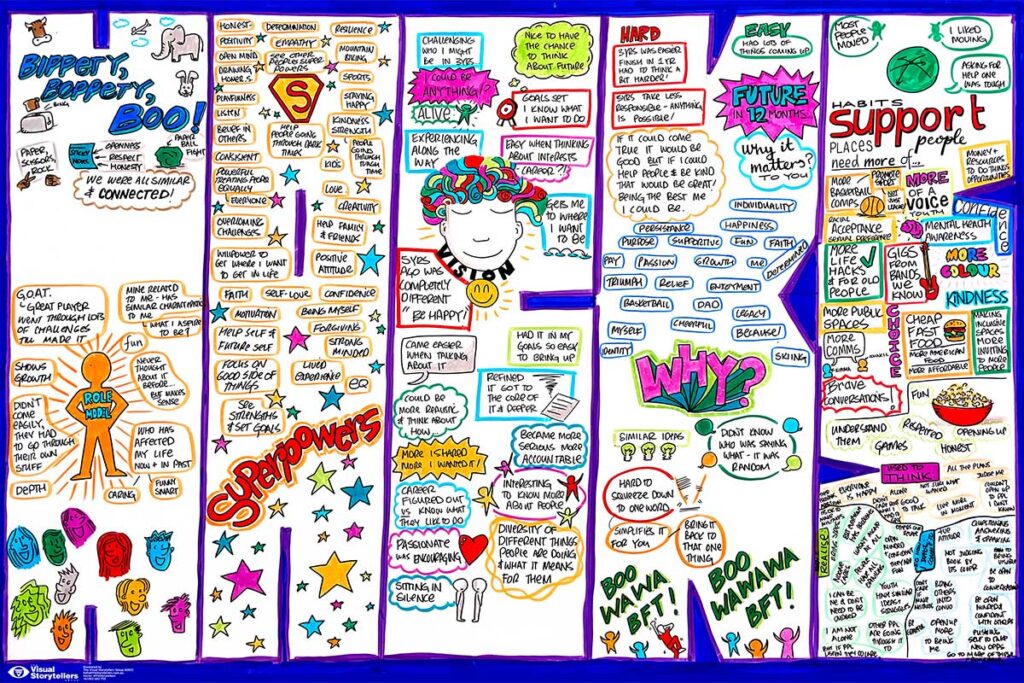
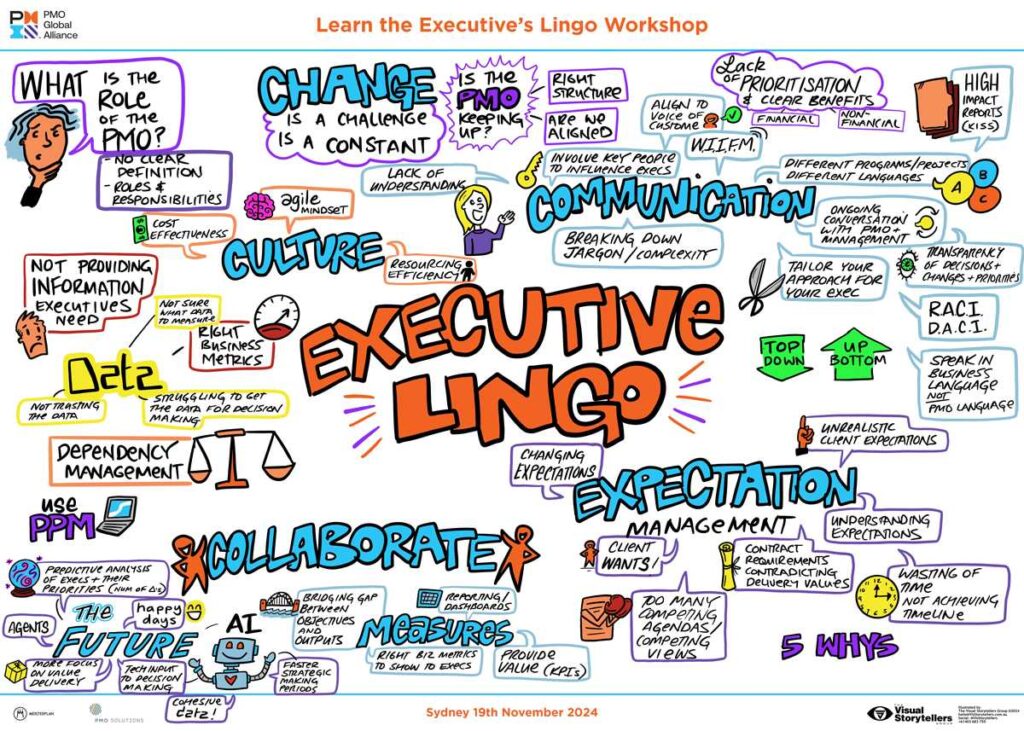
At the heart of every compelling story lies the power of visuals. Visual storytelling is the art of conveying a message or narrative through images, illustrations, animations, and videos, often complemented by concise text. It transcends language barriers, making it a universal and effective mode of communication.
The Brain’s Love Affair with Visuals
According to an article by Psychology Today, a large body of research indicates that visual cues help us to better retrieve and remember information. The research outcomes on visual learning make complete sense when you consider that our brain is mainly an image processor (much of our sensory cortex is devoted to vision), not a word processor. Our brains are hardwired to process visual information efficiently. The adage “a picture is worth a thousand words” holds true when we consider the brain’s preference for visuals. In fact, research shows that 90% of the information transmitted to our brains is visual. This visual bias occurs because our brains can process images 60,000 times faster than text, enabling us to absorb information almost instantaneously.
When we encounter a visual story, our brains light up with activity. Key regions involved in processing emotions and memories, such as the amygdala and hippocampus, become highly engaged. This heightened activity fosters a deeper emotional connection with the content, making it more memorable.
The Psychology of Engagement
Visual storytelling isn’t just about presenting information; it’s about evoking emotions and creating a memorable experience. This is where the true power of visual storytelling lies: in its ability to engage and leave a lasting impression.
Let’s take a closer look at the psychology behind why visual storytelling is so effective in engaging audiences:
Emotional Resonance
Visuals can elicit a wide range of emotions, from joy and empathy to surprise and awe. When viewers connect emotionally with a visual story, they become more invested in the narrative, increasing their engagement. Furthermore, according to an article by Smart Source, visual content can have a profound impact on our emotions and attitudes. When we see an image that is positive or uplifting, our brain releases dopamine, a chemical that makes us feel good. Conversely, when we see something negative or unpleasant, our brain releases cortisol, the primary stress hormone that can make us feel anxious or agitated.
Simplicity and Clarity
Visuals simplify complex information, making it easier for the brain to digest. They can distil intricate concepts into clear, concise visuals, helping the audience grasp the message effortlessly.
“Clarity affords focus.” – Thomas Leonard, a Major Contributor to the Development of Personal Coaching
Storytelling Structure
Effective visual storytelling often follows the classic narrative structure, with a beginning, middle, and end. This structure keeps the audience engaged as they anticipate the resolution of the story.
“Storytelling reveals meaning without committing the error of defining it.” – Hannah Arendt,a German-born American Historian and Political Philosopher
Visual Memory
The brain has a remarkable ability to remember visual content. When information is presented in a visual format, it is more likely to be retained and recalled later.
Attention-Grabbing
In a sea of content vying for attention, visually engaging stories stand out. They draw the eye, enticing viewers to explore further.
Engaging Minds through Visuals
In an era where information overload is the norm, visual storytelling emerges as a beacon of engagement. Its ability to speak directly to the brain, evoke emotions, and simplify complex ideas is nothing short of remarkable. As businesses and individuals seek more effective ways to connect with their audiences, embracing visual storytelling becomes a strategic imperative.
Now, as we bring our exploration of visual storytelling to a close, it’s worth mentioning a group that embodies the art and science of this captivating craft: The Visual Storytellers Group.
The Visual Storytellers Group comprises a diverse ensemble of visual thinkers, formers, and creators dedicated to making your events, conferences, or offsites truly remarkable. With services ranging from live drawing at events to animation and whiteboard videos, they harness the power of visual storytelling to engage and inspire.
So, whether you’re a conference organiser, a project manager, or a passionate leader, consider the transformative power of visual storytelling. It’s not just an art; it’s a science that engages minds, captures hearts, and leaves an indelible mark.
Ready to embark on your visual storytelling journey? Book a discovery call with The Visual Storytellers Group today. Let your story be told, seen, and remembered.
FAQs
Visual storytelling is the art of conveying a message or narrative through images, illustrations, animations, and videos, often complemented by concise text. It’s important because our brains process visual information faster and more effectively, making content engaging and memorable.
Visual storytelling engages key brain regions associated with emotions and memories, fostering deeper connections with content. The brain processes images faster, enhancing understanding and retention.
Visual storytelling can be used in live events (e.g., graphic recording), digital settings (e.g., digital scribing), live art activation, virtual meetings, animations, graphic design, and more to engage and convey messages effectively.
Visual storytelling evokes emotions, simplifies complex ideas, follows narrative structures, leverages visual memory, and grabs attention – all of which contribute to increased engagement.
Visual storytelling is a skill that can be learned by anyone. Training in graphic facilitation and recording, as well as communication and presentation training, can help individuals convey ideas visually.
Visuals play a pivotal role in marketing and branding by creating memorable experiences and conveying brand messages effectively. Visual storytelling enhances brand identity and customer engagement.
Businesses can benefit by using visual storytelling to connect with audiences emotionally, simplify complex concepts, and stand out in a crowded market. It enhances communication and leaves lasting impressions.
The Visual Storytellers Group combines creativity with strategic thinking. They simplify complex topics, making them accessible. They have a track record of excellence, deliver hassle-free, and are among Australia’s leading agencies in graphic recording.
Ready to Harness Visual Storytelling for Your Brand? Discover how The Visual Storytellers Group can elevate your messaging. Book a free discovery call with The Visual Storytellers Group today and let’s explore the possibilities together.