
In the ever-evolving landscape of business, ‘change communication‘ stands as a pivotal element in orchestrating successful organisational transformation. This concept goes beyond mere information dissemination; it’s about crafting a narrative that resonates, engages, and motivates all stakeholders towards a shared vision. In this journey of transformation, effective communication becomes the rudder steering the ship through turbulent and uncharted waters.
The Essence of Change Communication
At its core, change communication is not just about conveying information; it’s about creating understanding, fostering acceptance, and inspiring action. It’s an art that blends clarity, empathy, and strategy, ensuring that the message not only reaches the audience but also motivates them to embrace and participate in the change.
Understanding the Audience:Key to effective Change Communication
A one-size-fits-all approach does not work in change of communication. Different stakeholders have varied concerns, needs, and levels of influence. Tailoring the communication to address these specific needs is crucial. Leaders must ask: What are the fears, challenges, or misconceptions that different groups might have? How can communication alleviate these concerns and align them with the change objectives?
The Power of Storytelling in Change
Storytelling is a powerful tool in change communication. A well-crafted story can illustrate the need for change, making it relatable and compelling. It can turn abstract concepts into concrete realities that people can connect with emotionally. When employees see themselves as part of a larger narrative, they are more likely to engage with the change process actively.
“Stories constitute the single most powerful weapon in a leader’s arsenal.”-Dr. Howard Gardner, a ProfessorHarvard University
Strategic Communication: More than Just Words
Effective change communication is strategic. It involves a careful selection of channels, timing, and messengers. Multi-channel communication ensures that the message reaches the audience through various touch points, reinforcing the change narrative. The timing of the message is also critical–too early, and it might create uncertainty; too late, and it could lead to resistance. Moreover, according to a blog by Work Vivo, strategic communications is a form of corporate communication organizations use to convey a consistent message that’s in alignment with organizational goals
Leadership and Communication: A Symbiotic Relationship
Leaders play a crucial role in change communication. Their actions, words, and attitudes set the tone for the entire process. Leaders must embody the change they want to see, demonstrating commitment and enthusiasm. They should also be accessible, providing a platform for dialogue and feedback, making the change process inclusive and participatory.
“Positive leadership literally morphs the workplace from a place where people work at a job to one where they thrive.”–Steve Gladis, the C.E.O. of Steve Gladis Leadership Partners
Overcoming Resistance through Effective Communication
Resistance to change is natural, but it can be mitigated through effective communication. This involves acknowledging the resistance, understanding its root causes, and addressing them head-on. Transparency is key–being open about the challenges and setbacks, as well as the successes, builds trust and credibility.
Measuring the impact of Communication
The effectiveness of change communication should be measured and evaluated. Furthermore, according to a blog by Cerkl, a primary focus of this is making sure that a company’s strategic focus and goals are conveyed appropriately to its internal audience—the employees. This can be done through surveys, feedback sessions, and monitoring engagement levels. These insights can help refine the communication strategy, making it more responsive to the audience’s needs.
Change Communication in the Digital Age
In today’s digital world, change communication strategies need to leverage technology. Digital platforms can provide interactive and engaging ways to disseminate information and gather feedback. They can also facilitate a continuous dialogue, keeping the momentum of change alive.
The Visual Storytellers Group: Bridging the Gap
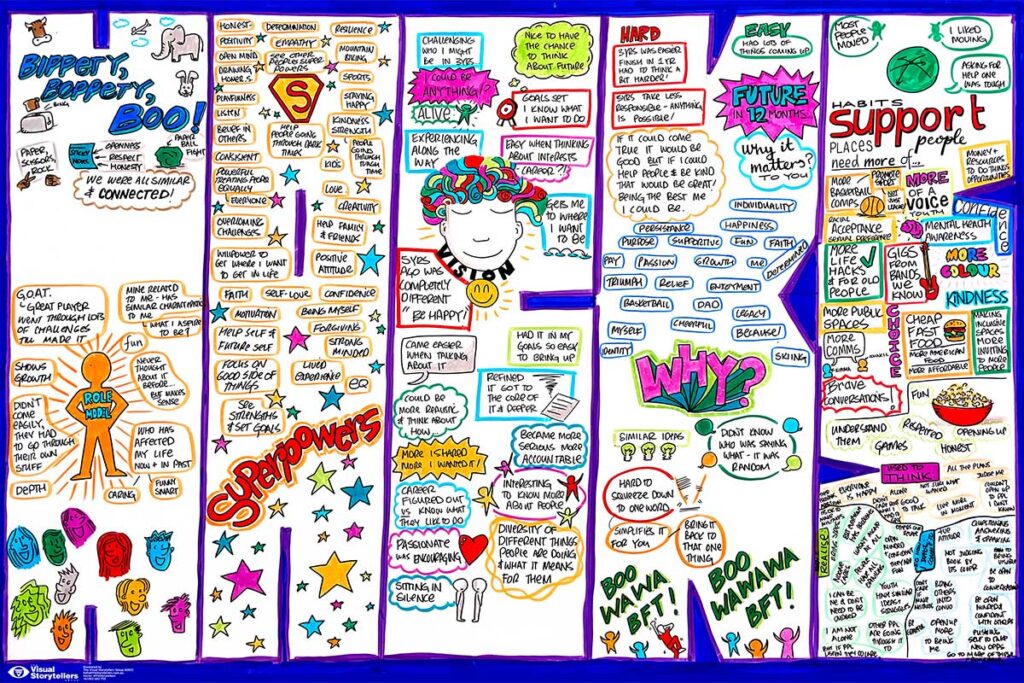
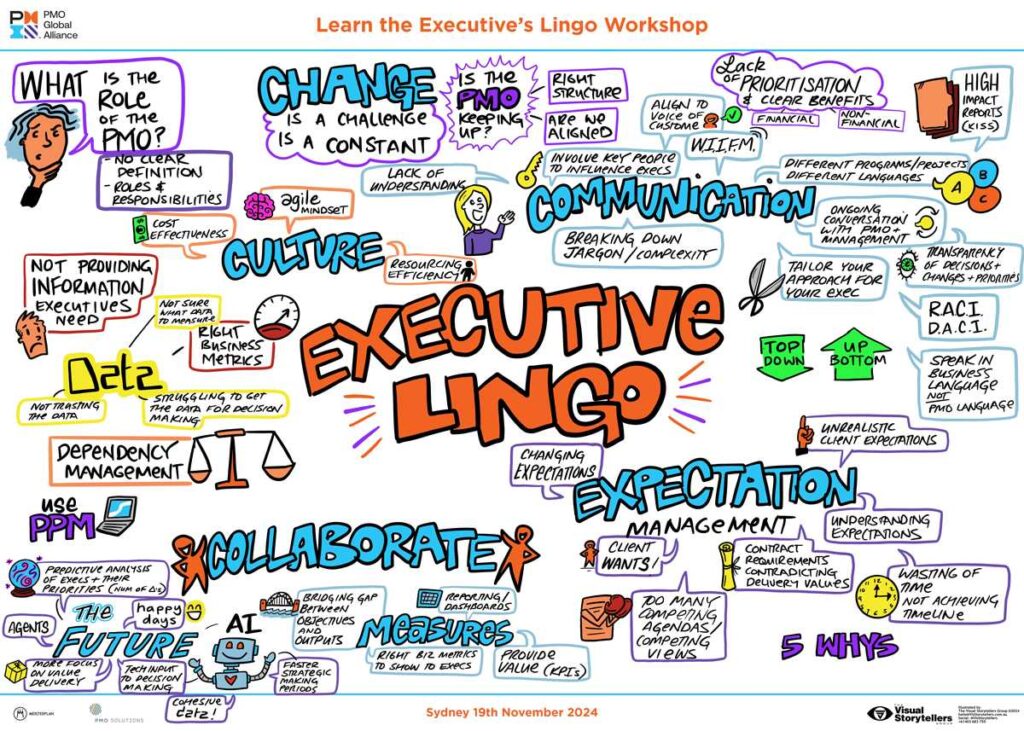
In the realm of effective communication, The Visual Storytellers Group stands out with its unique approach. Specializing in graphic recording, live scribing, and creating visually engaging content, they play a crucial role in making complex ideas simple and relatable. Their expertise in visual storytelling can be a significant asset in any change in communication strategy, helping to convey messages in a more impactful and memorable way.
Change communication is a critical component in driving organizational transformation. It requires a strategic, empathetic, and inclusive approach, one that resonates with the diverse needs of stakeholders. In a world where change is the only constant, mastering the art of change communication is not just beneficial; it’s essential for any organization looking to thrive in the dynamic business environment.
The Visual Storytellers Group, with their innovative and creative solutions, exemplifies how visual elements can enhance this communication, making the journey of change not just successful, but also visually engaging and memorable.
What are you waiting for? Schedule a discovery call with The Visual Storytellers Group to utilize visuals for an enhanced communication of your organization
Change communication refers to the strategic process of conveying information and inspiring action during organizational transformations. It’s about creating understanding and motivation towards a shared vision among stakeholders.
Effective change communication is crucial in organizational transformation as it helps in aligning stakeholders with the change objectives, reducing resistance, and ensuring a smoother transition by fostering understanding and acceptance.
Storytelling in change communication makes complex concepts relatable and engaging. It helps stakeholders connect emotionally with the change process, seeing themselves as active participants in the narrative of transformation.
Leaders are pivotal in change communication. They set the tone for the process, model the change, and provide a platform for dialogue. Their commitment and enthusiasm are essential for motivating and guiding stakeholders through the change.
Overcoming resistance involves acknowledging concerns, promoting transparency, and engaging in opencommunication. Addressing the root causes of resistance and maintaining a two-way dialogue can significantlymitigate opposition to change.
Measuring the impact involves conducting surveys, feedback sessions, and monitoring engagement levels. These practices help in refining communication strategies and ensuring they meet the audience’s needs effectively
Digital technology offers new platforms for interactive communication and continuous dialogue. It enables organizations to engage stakeholders through various digital channels, making change communication more dynamic and far-reaching.
The Visual Storytellers Group specializes in making complex ideas simple through visual storytelling. Their approach to graphic recording and live scribing adds a creative and memorable dimension to change communication.
Maximise the impact of your next event or project with The Visual Storytellers Group. Schedule a discovery call and learn how we can transform your communication strategy with our unique visual storytelling approach.