The Power of Visual Storytelling: Why Pictures Are Worth More Than Words
In the realm of communication, visual storytelling has emerged as a powerful tool, transcending the limitations of verbal and written narratives. This form of storytelling leverages images to weave narratives that are engaging, memorable, and impactful. From cave paintings to infographics and virtual reality, visual storytelling has evolved, yet its core purpose remains the same—to convey stories through visually engaging media.
The Essence of Visual Storytelling
Visual storytelling combines various elements such as graphics, colours, and movements to narrate a story. Unlike traditional storytelling, which relies heavily on words to paint pictures in the mind’s eye, visual storytelling uses actual visuals to spark imagination, evoke emotions, and drive engagement. This approach taps into the human brain’s inherent preference for visuals, which are processed 60,000 times faster than text.
“Stories are a communal currency of humanity.” – Tahir Shah, a British Journalist and Author
Unlock the Power of Visual Storytelling to Elevate Your Message
Increased Retention
Visuals help in better retention of information. Studies suggest that people remember 80% of what they see compared to 20% of what they read and 10% of what they hear. Moreover, according to an article by Psychology Today, the effective use of visuals can decrease learning time, improve comprehension, enhance retrieval, and increase retention.
Emotional Connection
Images have the power to evoke emotions and feelings. They can make a story more relatable and heartfelt, which is crucial in building empathy and understanding.
Simplification of Complex Ideas
Complex data and abstract concepts can be simplified through visuals, making them easier to understand. Infographics, diagrams, and charts are perfect tools for breaking down complex information into digestible bits.
Universal Language
Visuals are a universal language that transcends cultural and linguistic barriers. They can convey messages to a broader audience, making them inclusive and accessible.
“Stories are our primary tools of learning and teaching, the repositories of our lore and legends. They bring order into our confusing world. Think about how many times a day you use stories to pass along data, insights, memories or common-sense advice.” – Edward Miller, an Economist & Writer
Applications of Visual Storytelling
Education
In educational settings, visual storytelling is used to create more engaging learning experiences. Interactive visuals, educational videos, and graphical summaries can make learning more enjoyable and effective, helping students to visualise and better understand complex subjects.
Marketing and Advertising
Marketers leverage visual storytelling to create compelling advertisements and marketing materials that resonate with the audience. Furthermore, according to a blog by Design Wizard, by leveraging images, graphics, and videos, you can give life and shape to your brand story and use the same to communicate the mission of your brand. Showcasing the brand history via visuals evokes a sense of authenticity and belonging in the customer’s mind. Through emotional and aesthetic appeal, brands can communicate their values and stories effectively, creating a lasting impression on the consumer.
Corporate Communication
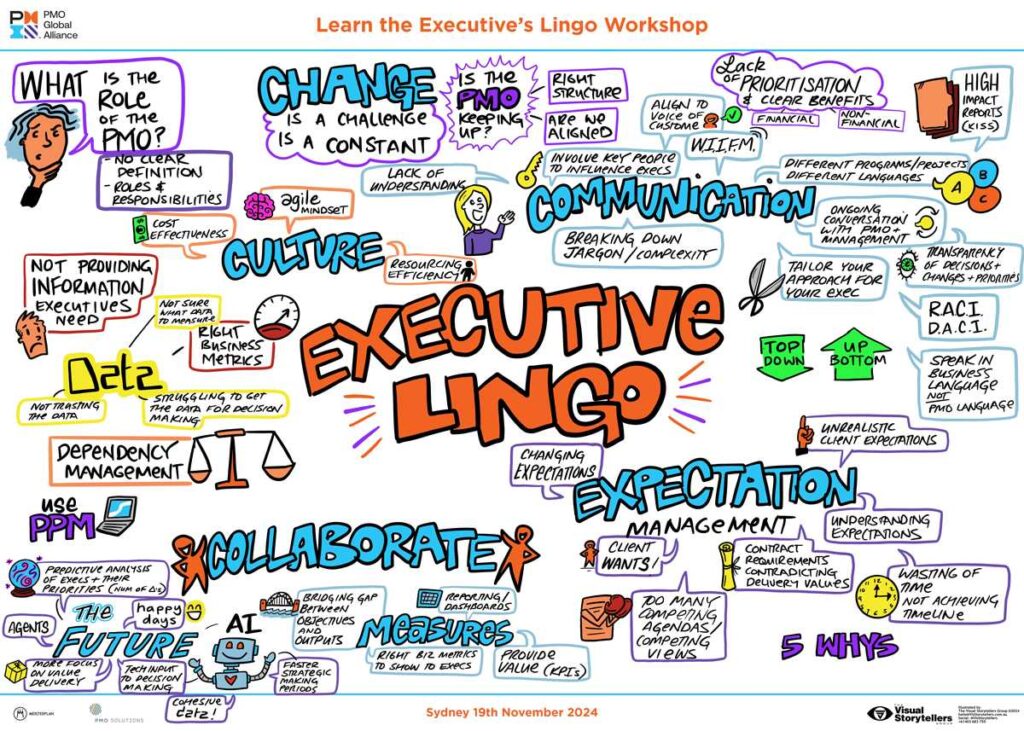
Organisations use visual storytelling to enhance internal communications. Visual reports, dashboards, and presentations can communicate business data clearly and compellingly, making it easier for employees to understand and act upon.
Journalism
Journalists and media outlets use visual storytelling to report news and stories. Interactive maps, data visualisations, and photo essays provide a deeper understanding of news stories, making them more engaging and insightful.
The Future of Visual Storytelling
With advancements in technology, the scope of visual storytelling is expanding. Augmented reality (AR) and virtual reality (VR) are opening new vistas for immersive storytelling experiences. These technologies offer a three-dimensional storytelling platform that allows users to step into the story and interact with it, providing a deeply engaging experience.
The Visual Storytellers Group: Bringing Stories to Life
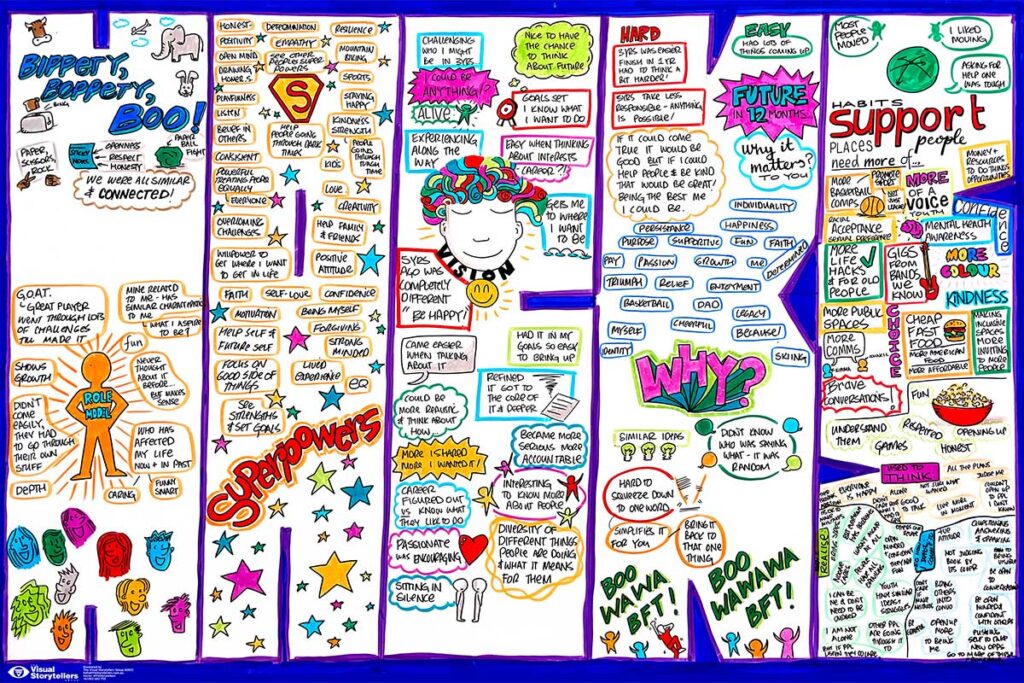
At the end of this exploration of visual storytelling, it’s worth mentioning how businesses like The Visual Storytellers Group are mastering this art. Based in Australia, The Visual Storytellers Group is an eclectic ensemble of visual thinkers and creators dedicated to making events and conferences visually inspiring and memorable. They specialise in graphic recording, digital scribing, live art activations, and more, ensuring that every story told is not just heard but vividly experienced.
In today’s fast-paced world, where attention is fleeting, visual storytelling is not just an advantage but a necessity. It bridges the gap between the story and the audience, ensuring that the message is not just delivered but felt and remembered. Whether through static images or interactive experiences, visual storytelling continues to redefine our understanding of stories and their power to inform, persuade, and inspire. Schedule a discovery call with experts at The Visual Storytellers Group and bring stories to life.
FAQs
Visual storytelling is a method of narrating a story through the use of visual media. It involves the integration of images, colours, and visuals to convey messages and stories in a way that is engaging and memorable.
Visual storytelling is effective because it leverages the human brain’s ability to process images faster than text. It enhances memory retention, emotional connection, and simplifies complex ideas, making information more accessible and engaging.
In education, visual storytelling can be used to create interactive and visually engaging learning experiences. It helps in illustrating complex concepts, making abstract ideas more concrete, and increasing students’ retention of information.
Visual storytelling plays a crucial role in marketing by helping brands convey their stories in a compelling and emotionally resonant way. It can significantly boost engagement, brand recall, and customer loyalty through creative and impactful visuals.
Yes, visual storytelling can simplify complex information by using visuals like infographics, charts, and diagrams. These tools help break down data and abstract concepts into more digestible and understandable formats.
Future trends in visual storytelling include the use of augmented reality (AR) and virtual reality (VR) to create immersive storytelling experiences. These technologies allow for a more interactive and engaging way to tell stories, making them feel more real and impactful.
In corporate communication, visual storytelling is used to enhance clarity and engagement in internal communications. Visual aids like dashboards, infographics, interactive murals and animated videos can help convey business data and updates more effectively.
Common tools and techniques in visual storytelling include graphic recording, digital scribing, animation, interactive murals and live art creation. These techniques help in visually capturing live events, creating engaging online content, and delivering powerful messages through art.
Ready to bring your stories to life with visual impact? Schedule a discovery call with The Visual Storytellers Group and discover how we can transform your next event or project!
Schedule a Discovery Call Today!