The Power of Visual Storytelling Agencies in Boosting Social Media Engagement.
Paul Telling
67 posts
When people speak about creativity, they say ‘think outside the box’. When it comes to Paul… there is no box. He is all about creativity and self-expression.
The Benefits of Collaborating with a Visual Storytelling Agency for Your Social Media Content.In today’s digital age, capturing and retaining your audience’s attention is more challenging than ever. A visual…
Beyond the Words: How to Create a Visual Narrative That Resonates with Your AudienceIn the realm of communication, visual storytelling is not just an art form; it’s an essential strategy…
The Power of Visual Storytelling: Why Pictures Are Worth More Than WordsIn the realm of communication, visual storytelling has emerged as a powerful tool, transcending the limitations of verbal and…
The Psychology Behind Whiteboard Animation: Why it WorksIn an era saturated with digital content, standing out requires not just creativity but an understanding of how viewers process and engage with…
The Benefits of Whiteboard Animation Videos for Educational ContentIn the realm of educational content, engagement, clarity, and retention are paramount. One innovative method that has significantly impacted these areas is…
Maximising Meeting Impact: The Power of Graphic RecordingIn today’s fast-paced corporate environment, where ideas are as fleeting as they are numerous, the concept of ‘graphic recording‘ has emerged as a…
Why Graphic Recording is an Essential Tool for Design ThinkingIn the ever-evolving landscape of design thinking, where ideas flow as rapidly as the need for innovation, one tool has emerged…
Visual Storytelling: Using Graphic Recording to Engage Your AudienceIn today’s dynamic world, where attention spans are shrinking and the demand for engaging content is ever-increasing, graphic recording emerges as a…
In the ever-evolving landscape of business, ‘change communication‘ stands as a pivotal element in orchestrating successful organisational transformation. This concept goes beyond mere information dissemination; it’s about crafting a narrative…
From Doodles to Deliverables: How Whiteboard Sketches Can Enhance Your Design ProcessIn the fast-paced world of design, whiteboard sketch often evokes images of creative brainstorming sessions, where ideas flow freely…
Understanding the Fundamentals of Visual Storytelling
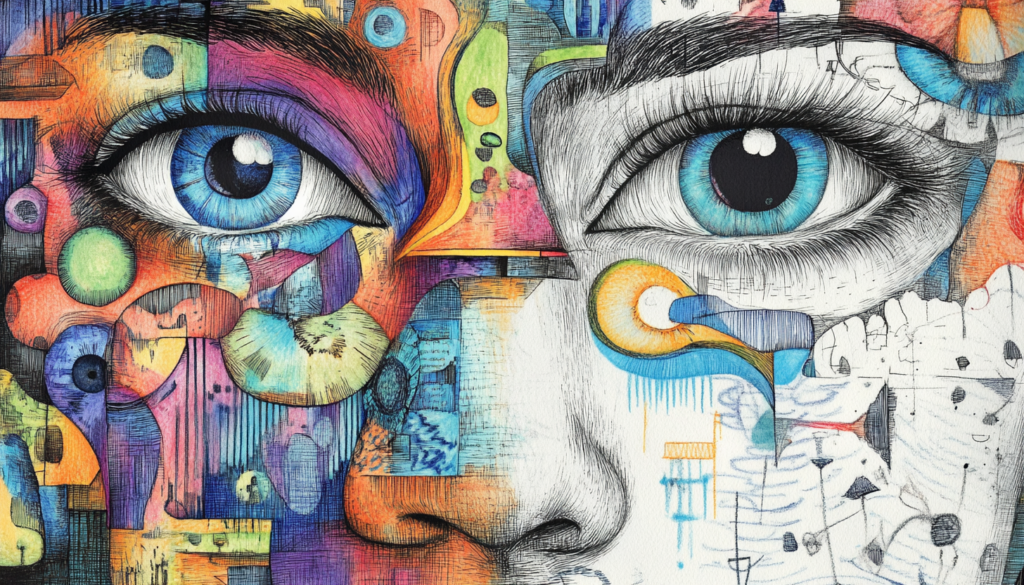
Visual storytelling is rooted in the ability to convey messages and emotions through imagery. It combines elements such as color, composition, and narrative to create a cohesive story that resonates with the audience. By understanding these fundamentals, creators can effectively engage viewers and communicate complex ideas simply and memorably.
For instance, successful visual storytelling often employs techniques like the rule of thirds, contrasting colors, and symbolic imagery to enhance the narrative. Brands like National Geographic exemplify this by using stunning visuals to tell compelling stories about nature and culture, proving that a well-crafted visual can evoke emotions and drive engagement.
The Role of Graphic Recording in Visual Communication
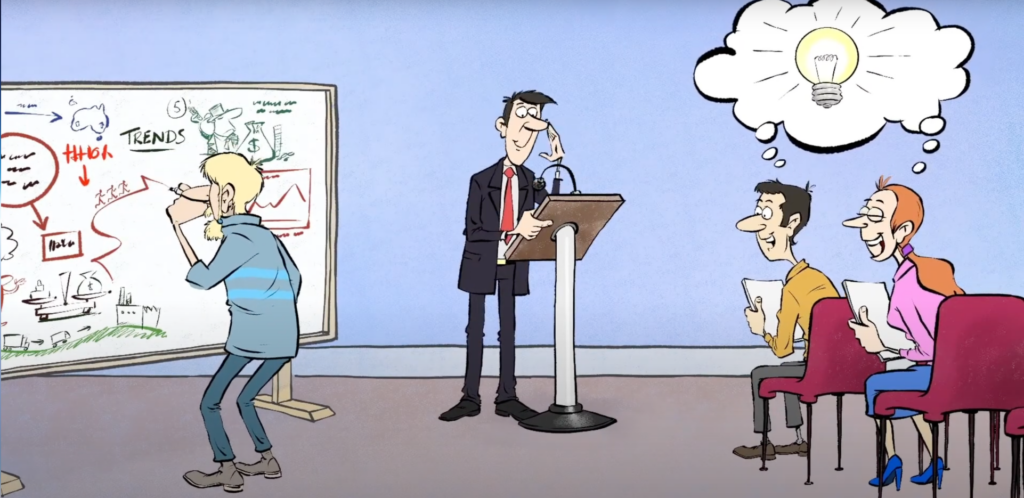
Graphic recording is a dynamic method of capturing spoken content in real-time through illustrations and text. This technique not only helps in summarizing discussions but also in enhancing understanding by providing a visual representation of ideas. It transforms abstract concepts into tangible visuals, making information more accessible and memorable.
In corporate settings, graphic recording has been shown to improve retention rates and engagement during meetings and workshops. For example, companies like IBM have utilized graphic recording to document brainstorming sessions, allowing participants to visualize their ideas and foster collaborative thinking, ultimately leading to more innovative outcomes.
Techniques for Effective Visual Communication in Marketing
In the realm of marketing, effective visual communication is crucial for capturing audience attention and conveying brand messages. Utilizing techniques such as infographics, video storytelling, and interactive content can significantly enhance audience engagement and retention. These methods allow brands to present information in an engaging format that appeals to various learning styles.
For instance, brands like Airbnb leverage stunning visuals and storytelling in their marketing campaigns to evoke emotions and inspire potential travelers. By showcasing beautiful imagery alongside compelling narratives, they create a strong connection with their audience, driving both engagement and conversions.
Future Trends in Visual Storytelling and Communication
The landscape of visual storytelling is constantly evolving, influenced by technological advancements and changing audience preferences. Emerging trends such as augmented reality (AR) and virtual reality (VR) are set to revolutionize how stories are told and experienced. These technologies provide immersive experiences that allow audiences to engage with content in unprecedented ways.
For example, brands like IKEA have adopted AR to enable customers to visualize furniture in their own homes before making a purchase. This not only enhances the shopping experience but also exemplifies the future of visual storytelling, where interactivity and personalization play pivotal roles in engaging audiences and enhancing brand loyalty.
Understanding the Fundamentals of Visual Storytelling
Visual storytelling is rooted in the ability to convey messages and emotions through imagery. It combines elements such as color, composition, and narrative to create a cohesive story that resonates with the audience. By understanding these fundamentals, creators can effectively engage viewers and communicate complex ideas simply and memorably.
For instance, successful visual storytelling often employs techniques like the rule of thirds, contrasting colors, and symbolic imagery to enhance the narrative. Brands like National Geographic exemplify this by using stunning visuals to tell compelling stories about nature and culture, proving that a well-crafted visual can evoke emotions and drive engagement.
The Role of Graphic Recording in Visual Communication
Graphic recording is a dynamic method of capturing spoken content in real-time through illustrations and text. This technique not only helps in summarizing discussions but also in enhancing understanding by providing a visual representation of ideas. It transforms abstract concepts into tangible visuals, making information more accessible and memorable.
In corporate settings, graphic recording has been shown to improve retention rates and engagement during meetings and workshops. For example, companies like IBM have utilized graphic recording to document brainstorming sessions, allowing participants to visualize their ideas and foster collaborative thinking, ultimately leading to more innovative outcomes.
Techniques for Effective Visual Communication in Marketing
In the realm of marketing, effective visual communication is crucial for capturing audience attention and conveying brand messages. Utilizing techniques such as infographics, video storytelling, and interactive content can significantly enhance audience engagement and retention. These methods allow brands to present information in an engaging format that appeals to various learning styles.
For instance, brands like Airbnb leverage stunning visuals and storytelling in their marketing campaigns to evoke emotions and inspire potential travelers. By showcasing beautiful imagery alongside compelling narratives, they create a strong connection with their audience, driving both engagement and conversions.
Future Trends in Visual Storytelling and Communication
The landscape of visual storytelling is constantly evolving, influenced by technological advancements and changing audience preferences. Emerging trends such as augmented reality (AR) and virtual reality (VR) are set to revolutionize how stories are told and experienced. These technologies provide immersive experiences that allow audiences to engage with content in unprecedented ways.
For example, brands like IKEA have adopted AR to enable customers to visualize furniture in their own homes before making a purchase. This not only enhances the shopping experience but also exemplifies the future of visual storytelling, where interactivity and personalization play pivotal roles in engaging audiences and enhancing brand loyalty.