
Beyond the Words: How to Create a Visual Narrative That Resonates with Your Audience
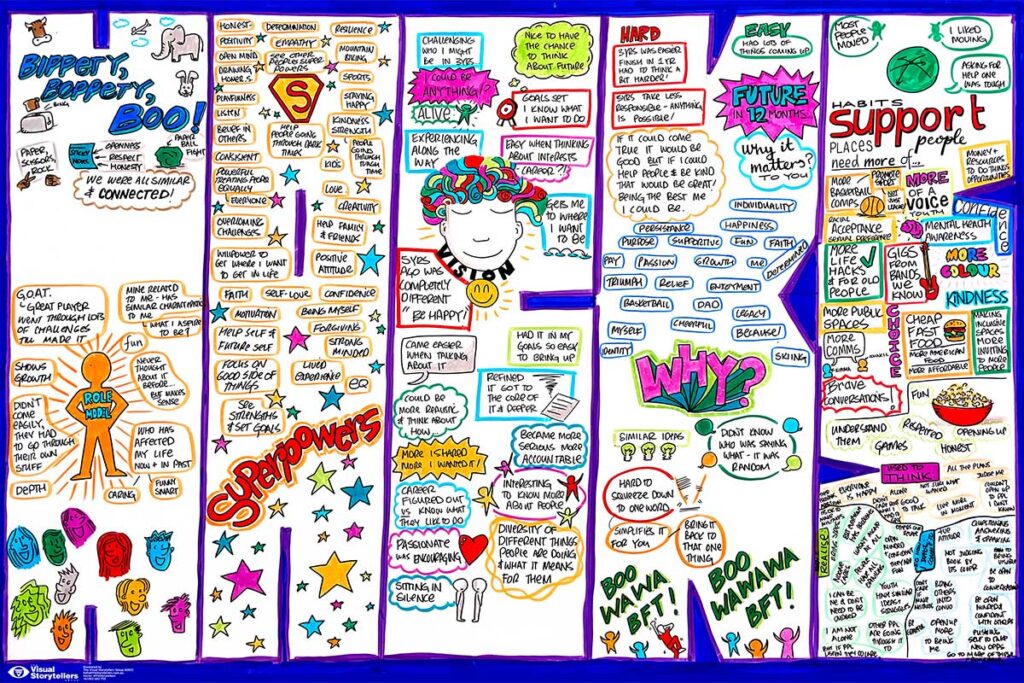
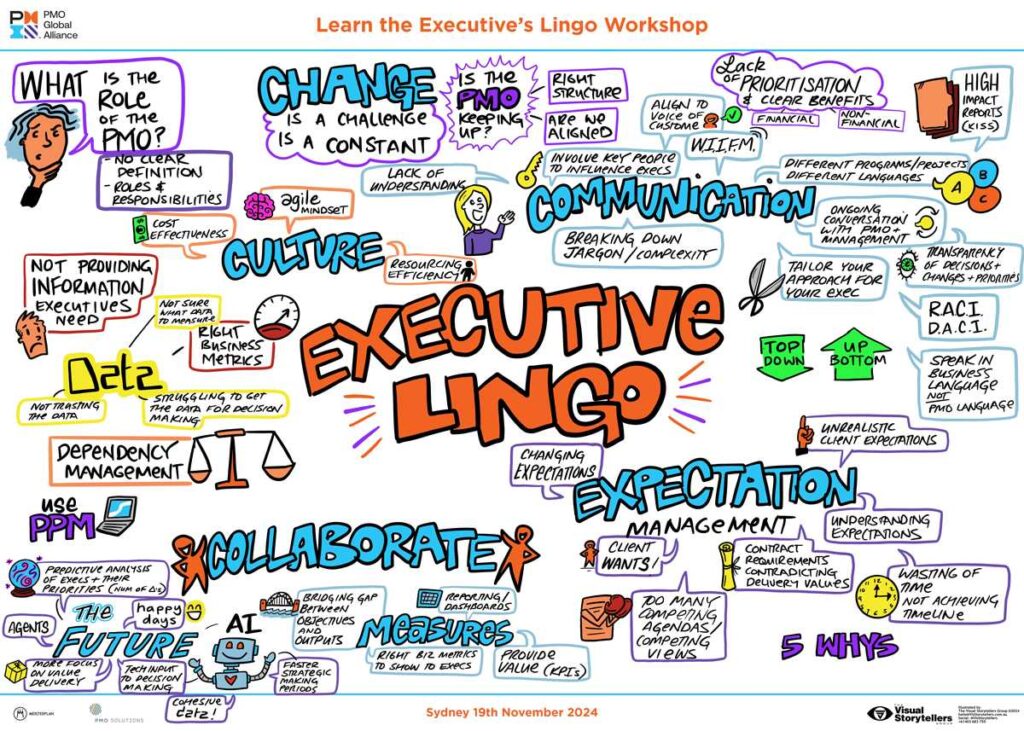
In the realm of communication, visual storytelling is not just an art form; it’s an essential strategy for connecting deeply with your audience. Whether it’s through films, digital content, or live drawings at events, the power of visuals to narrate a story can transcend the barriers of language and capture emotions like no other medium. This article explores the nuances of visual storytelling and how you can leverage this compelling approach to leave a lasting impact on your audience.
Understanding Visual Storytelling
At its core, visual storytelling involves the use of images, videos, animations, symbols, and colours to communicate a narrative or message. Unlike traditional storytelling, where words dominate the narrative, visual storytelling relies on visual cues to evoke emotions, communicate ideas, and inspire actions. This method aligns with the fact that humans are primarily visual creatures; indeed, the brain processes images 60,000 times faster than text.
The Elements of a Strong Visual Narrative
1. Clarity of Message
The first step in crafting an effective visual narrative is to have a clear message. What is the core message you want to convey? Once you have this defined, every visual element you choose should reinforce this message, creating a cohesive story.
2. Emotional Engagement
The best visual stories tug at the heartstrings. They connect on an emotional level, making the audience feel something—joy, sadness, surprise, or even anger. This emotional connection is what makes your visual narrative memorable.
3. Visual Consistency
Consistency in style, colour palette, and imagery helps in building a coherent story that the audience can follow. Disparate visual elements can lead to confusion and dilute the impact of your message.
4. Simplicity and Focus
In visual storytelling, less is often more. A simple, focused visual narrative is more effective than one that is overly complex. It allows the audience to understand and absorb the message without getting lost in unnecessary details.
5. Interactive Element
According to an article by Spill Your Thoughts, incorporating interactive and multimedia elements into your visual storytelling can enhance audience engagement. Particularly in digital visual storytelling, interactive elements such as clickable links, animation, and even augmented reality can engage the audience and make the narrative more immersive.
Applications of Visual Storytelling
Visual storytelling finds its place in various domains, from education and marketing to corporate communications and entertainment. In educational settings, visual narratives can simplify complex subjects, making them easier to understand and more engaging for students. In marketing, brands use visual stories to connect with their customers, build brand identity, and boost conversions. Meanwhile, in corporate settings, visual storytelling aids in clearer and more persuasive presentations and reports.
Benefits of Visual Storytelling
The benefits of integrating visual storytelling into your communication strategy are vast:
Increased Retention
Visuals help in better retention of information. People remember 65% of the information when it’s paired with relevant visuals, compared to 10% when the information is delivered through text alone.
Wider Reach
Visual content is more likely to be shared, extending your message’s reach across different demographics and geographic boundaries.
Stronger Emotional Connection
Visuals evoke emotions more effectively than text, creating a stronger bond between the message and the audience.
Tips for Effective Visual Storytelling
Know Your Audience
Tailor your visual content to the interests, needs, and preferences of your target audience. Understanding who they are and what resonates with them is crucial.
Use High-Quality Images
Quality matters. High-resolution, clear images make your story more professional and credible. In fact, according to a blog by Appdore, high-quality visuals can also help in branding and creating a visual style that is consistent with the brand’s identity. They can entertain the readers and make the content more approachable and appealing. Visuals can provide visual cues and authority to the content, making it more viewed and impactful.
3. Be Authentic
Authenticity in your visuals promotes trust and reliability. Avoid overly staged or artificial images which can detract from the authenticity of your narrative.
“The most authentic thing about us is our capacity to create, to overcome, to endure, to transform, to love and to be greater than our suffering.” – Ben Okri, a Nigeria-born British Poet and Novelist
4. Leverage Technology
Utilise software and tools that enhance your ability to create striking visuals. Technologies such as graphic design software, video editors, and animation tools are invaluable.
“We’re changing the world with technology”. – Bill Gates, Co-Founder of the Software Giant Microsoft
5. Continuously Learn and Adapt
Stay updated with the latest trends in visual storytelling and continually refine your strategy based on feedback and results.
How The Visual Storytellers Group Can Enhance Your Narrative
Towards the end of our exploration into the power of visual narratives, it’s worth mentioning a leader in the field, The Visual Storytellers Group. Based in Australia, this team of visual thinkers and creators specialises in making events and presentations visually engaging and memorable. By transforming complex messages into clear and captivating visual stories, they help organisations across various industries communicate more effectively.
Whether you’re looking to make your next conference more engaging or want to tell your brand’s story in a uniquely compelling way, consider how The Visual Storytellers Group can bring your visuals to life. To explore more about their services, schedule a discovery call with The Visual Storytellers Group.
FAQs
Visual storytelling is a technique that uses images, graphics, and other visual elements to narrate a story or convey a message. It engages audiences more effectively than text alone by tapping into the brain’s innate preference for visuals.
Visual storytelling is crucial because it enhances message retention, broadens reach, and strengthens emotional connections. Visuals help audiences understand and remember information better, making communication more effective.
Businesses can use visual storytelling in marketing, presentations, and corporate communications. It’s effective for making complex information accessible, promoting products, and telling a brand’s story in an engaging way.
Effective visual storytelling should have a clear message, consistent visual style, emotional appeal, simplicity, and, where applicable, interactive elements. These elements ensure the narrative is engaging and easy to understand.
Using visuals in presentations helps keep the audience engaged, makes complex data easier to digest, and increases the presenter’s ability to persuade and inform. It often leads to more dynamic and impactful presentations.
Visual storytelling captivates audiences by making content more interesting and easier to understand. It often leads to higher engagement levels, with audiences being more likely to interact with and respond to the visual content.
Yes, visual storytelling can be effectively applied to online meetings through digital scribing or virtual meeting scribing, where live visual notes enhance understanding and engagement among remote participants.
Tools for visual storytelling range from basic graphic design software and video editors to more specialised tools like digital drawing tablets and animation software. The choice of tools depends on the specific needs and format of the visual narrative.
Ready to enhance your storytelling with visuals? Schedule a discovery call with the experts at The Visual Storytellers Group to discuss how visual storytelling can benefit your business.
Schedule a Discovery Call Today!